The university crisis between moral politics and free speech
This book takes a systematic look at how , and are reshaping university life—in and the . Through documented cases, Hermann Selchow shows how , and arise—and what this means for , educational standards and a democratic culture of debate.
Keywords: cancel culture • universities • campus life • education crisis • ideological conformity • academic freedom • social isolation • self-censorship • woke ideology • identity politics • intersectionality • virtue signaling • woke orthodoxy • free speech • freedom of expression • safe spaces • microaggressions • diversity training • political correctness • outrage-mob culture
What it's about
Key themes: free speech, campus dynamics, cancel culture—and the consequences for education.
🗣️ Free speech & self‑censorship
How social dynamics, outrage storms and fear of sanctions restrict what can be said.
🏛️ Universities in transition
From debate culture to administrative moralism: which rules, trainings and procedures shape campus life.
🧩 Identity politics & orthodoxy
Intersectionality, virtue signaling and “woke” norms—where tolerance can flip into intolerance.
📚 Education & standards
What happens to academic standards when conformity is rewarded and originality punished?
🤝 The psychology of pressure
Mechanisms of social isolation, conformity and group pressure—why some give in while others hold their ground.
🔎 Documented cases
Examples from Germany and the U.S.: patterns, escalations and the consequences for people and institutions.
Sample
A short impression of tone, cases and the central questions.
Buy now
Available at retailers. (May open in a new window)
Reviews
Reviews, press quotes & reader feedback.
“Sober, precise and highly readable—an important contribution to the debate on academic freedom.”
— Review / blog
“The case studies make it tangible how quickly social pressure turns into self‑censorship.”
— Magazine / press
“Material for discussion—in seminars and at the dinner table.”
— Reader
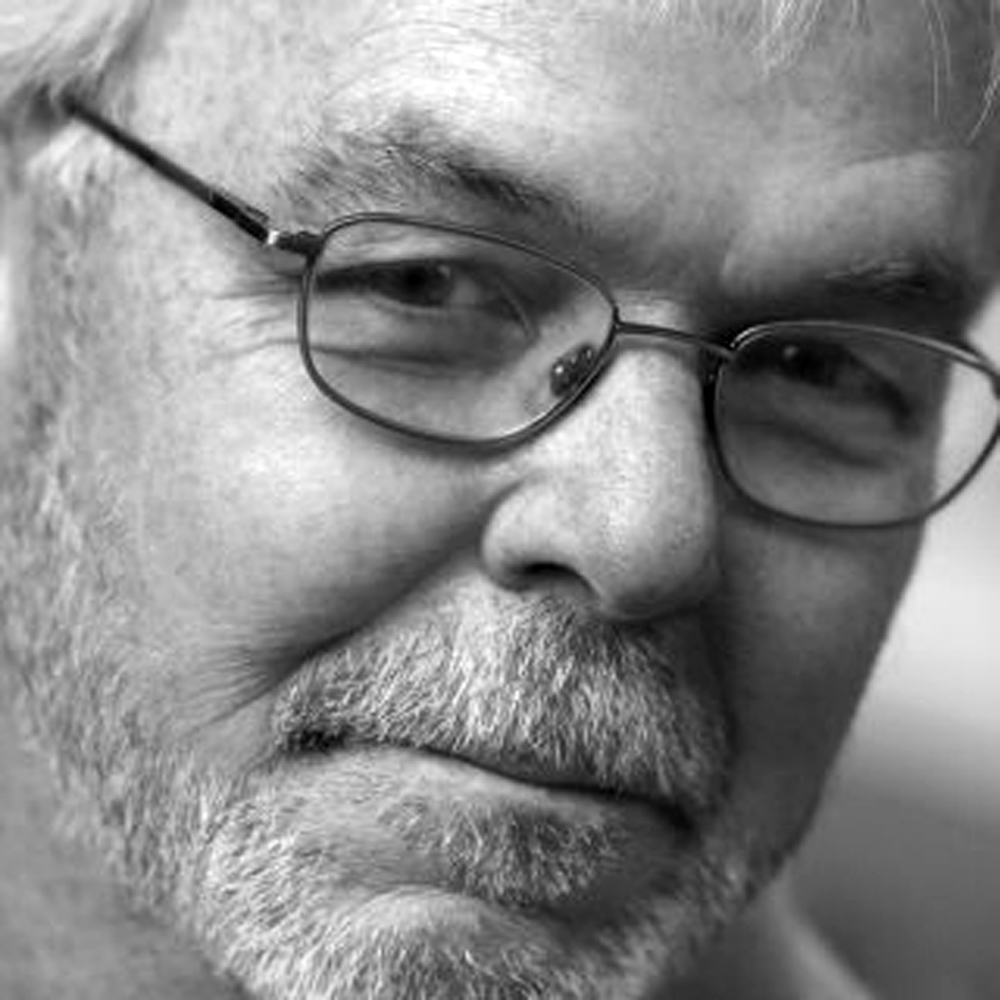
About the author
More background, essays and books: alterstorheiten.info
FAQ
Quick answers to common questions (easy to edit).
What is “How Much Education Can Wokeism Withstand?” about?
The book analyzes how woke ideology, cancel culture and political correctness shape university life—and what this means for academic freedom, public discourse and education.
Which countries and examples are discussed?
The focus is on documented cases from Germany and the United States to make patterns—and differences in handling dissent—visible.
Is the book polemical or balanced?
The approach is analytical: it describes mechanisms, social dynamics and institutional processes without simplistic blame or quick fixes.
Who is this book especially for?
For students, parents, educators, institutions, journalists and anyone who wants to engage seriously with free speech, identity politics and educational standards.